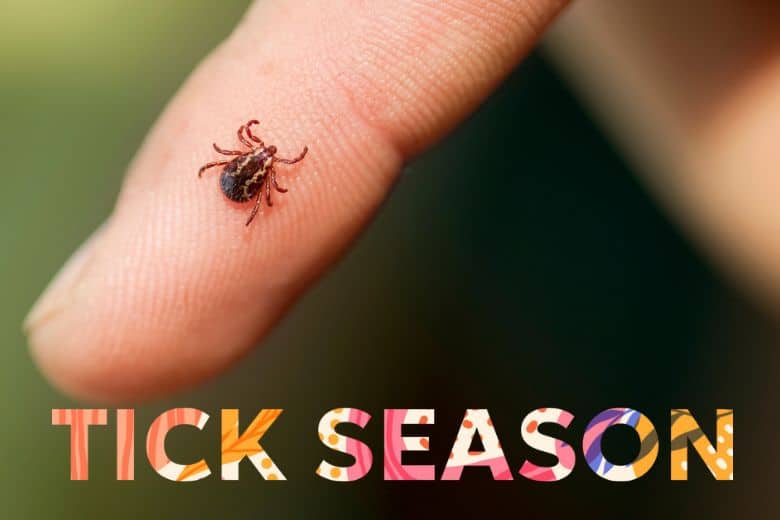
Tick Season on the Rise in Eastern Oregon: Local Vet Shares What You Need to Know
By Tracy Christopher on Tuesday, June 24th, 2025 in More Top Stories Northeastern Oregon News
LA GRANDE — Tick season is in full swing across Eastern Oregon, and according to Dr. Christina Danforth at Animal Health Center, it’s not something pet owners—or livestock handlers—should take lightly. “Ticks have always been a concern here, but it seems that each year we’re seeing even more,” she says. Warmer, milder winters are giving ticks an earlier start in the spring and allowing them to linger well into fall.
The most common culprits in our region include the American Dog Tick, Rocky Mountain Wood Tick, Deer Tick, and Soft Ticks. While ticks can potentially be active year-round, their peak season typically runs from March through August.
Dr. Danforth says while they haven’t noticed a significant uptick in tick-borne illnesses in pets this year, the threat remains. Tick paralysis is the most common condition seen locally, but other risks include Lyme disease, Anaplasmosis, and Rocky Mountain Spotted Fever.
Outdoor pets—especially dogs and cats—are most at risk due to exposure to wooded, brushy, or tall grass areas. Livestock like cattle and horses are also vulnerable. “Ticks are opportunistic and will latch on wherever they can,” says Danforth. “They’re small and tricky to find, especially on long-coated animals.”
Preventative care is key. Dr. Danforth recommends oral tick prevention for dogs and topical solutions for cats. “There are a lot of options out there, and the best approach is to consult with your veterinarian to find the safest and most effective product for your pet.” For large animals, several topical options are also available.
Although year-round prevention may not be necessary for every pet, tick activity has been documented during winter months. Daily tick checks—especially after hikes or outdoor play—are highly encouraged. “The sooner you remove a tick, the better. Most diseases require the tick to be attached for at least 24 hours before transmission occurs,” Danforth explains.
When checking pets, be thorough. Ticks can hide anywhere—from under collars and between toes to around ears and tails. Daily brushing can help spot them early.
If you do find a tick, the best removal method is gentle traction using tweezers as close to the skin as possible. “Avoid yanking—it can leave the tick’s head behind,” warns Danforth. If there are signs of skin irritation or if the tick may have been attached for more than 24 hours, consult your vet.
Common signs of tick-borne illness include weakness in the back legs, fever, swollen joints, lethargy, and decreased appetite. Dr. Danforth encourages pet owners to remain vigilant and start prevention early: “Start tick prevention before peak season and keep checking throughout the warmer months.”
While there haven’t been any unusual tick cases reported recently, the steady rise in tick numbers is a reminder to stay alert.
For more information on tick prevention, contact your local veterinarian. And remember—keeping your pet tick-free helps protect your whole household.