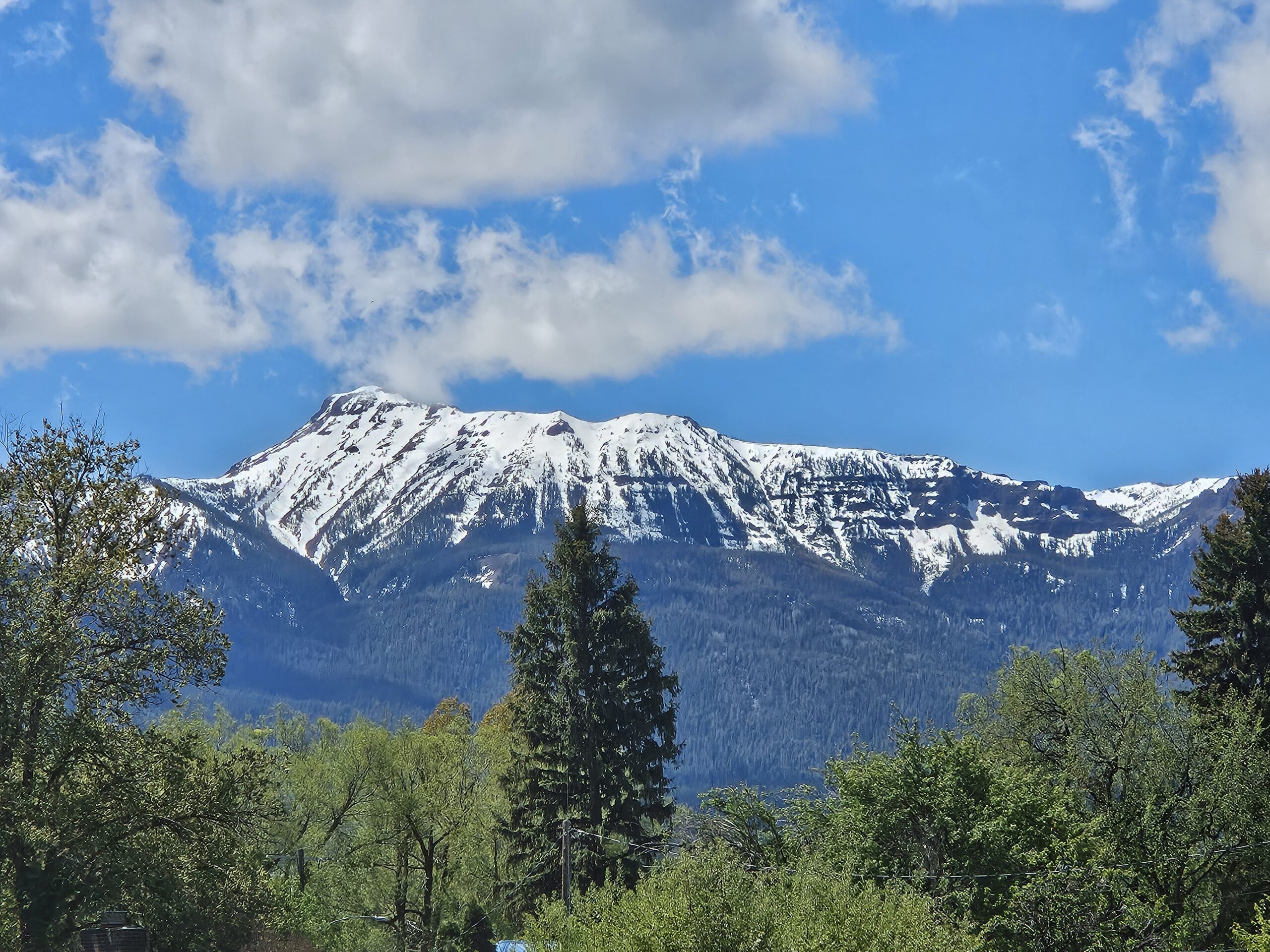
Five million dollar federal wildfire grant targets safety around Wallowa Lake and beyond
By Tracy Christopher on Friday, April 3rd, 2026 in More Top Stories Northeastern Oregon News
WALLOWA COUNTY — A new federal Community Wildfire Defense Grant is set to significantly expand wildfire preparedness efforts across the Wallowa Valley, funding everything from defensible space around homes to road brushing, digital signage, and on-the-ground public education at Wallowa Lake.
The $5,252,344 grant awarded to the Wallowa Soil and Water Conservation District will support work across roughly 90,000 acres—from east of Wallowa Lake to the mouth of the Minam River and up to the wilderness boundary—implementing key priorities identified in the Wallowa Valley Community Wildfire Protection Plan over the next five years.
“This is tangible, on-the-ground work,” said Jenny Reinheardt during a recent discussion of the project. “We’re talking about real fuels mitigation, safer evacuation routes, and better information for residents and visitors.”
What the Grant Will Fund
Project leaders say the grant will support a wide range of wildfire mitigation and public safety efforts, including:
- Defensible space and fuels reduction around homes and structures
- Hazard tree removal, particularly dead or deteriorating trees within about 30 feet of buildings
- Ladder fuel reduction and pruning to prevent fire from climbing into tree canopies
- Downed woody debris removal to reduce fire intensity and improve firefighter access
- Road brushing using new heavy-duty equipment to improve evacuation routes
- Installation of cisterns and dry hydrants to increase firefighting water access
- Use of youth crews, including those through Wallowa Resources, for smaller-scale projects
- A digital sign at the county entrance displaying fire danger levels, restrictions, and closures
- Public education efforts, including fire extinguisher training through rural fire departments in Joseph, Lostine, and Enterprise
“All of this fuels work ultimately does one thing,” Reinheardt said. “It modifies fire behavior—giving firefighters a safer place to work, improving a home’s chance of survival, and creating clearer, safer evacuation routes.”
Focus on Visitors at Wallowa Lake
A key component of the project targets the thousands of visitors who travel through the south end of Wallowa Lake each summer. State park data indicates about 3,000 visitors per day in July, bringing tens of thousands of people through the area during peak season.
To reach them, the grant will fund seasonal educators stationed at the lake. Their role will include:
- Explaining current fire restrictions and campfire rules
- Clarifying regulations around campfires, fireworks, and open burning
- Providing updates on trail and road closures
- Advising visitors on what to do in the event of a wildfire evacuation
Educators will also distribute pamphlets, flyers, and refrigerator magnets with key resources for fire updates and reporting.
Year-Round Mitigation Work
While wildfire risk peaks in summer, much of the mitigation work is expected to take place during the off-season.
“This last winter would have been ideal for fuels work,” Reinheardt said. “Our goal is to complete as much of the defensible space and mitigation work as possible when conditions allow for equipment and chainsaw use.”
The five-year timeline allows the county and its partners to phase projects strategically, though officials say they intend to move forward as quickly as federal approvals and contractor availability permit. The grant has been awarded, with final federal paperwork still in process.
Measuring Progress
Project leaders will track outcomes throughout the grant period, including:
- Number of participating landowners (currently about 75, with potential for more)
- Acres treated and thinned
- Hazard trees removed
- Miles of roadway improved
- Residents and visitors reached through education efforts
How to Get Involved
Residents and landowners within the project area can learn more by contacting Wallowa Soil and Water Conservation District, Oregon Department of Forestry, or the Wallowa County Emergency Management.
For organizers, the message is clear: the funding provides critical support—but community participation will determine its success.