Columbia Basin faces critical water shortages by mid-2040s, WA report warns
By Dan Thesman on Saturday, July 4th, 2026 in Columbia Basin News Columbia Basin Top Stories
PULLMAN — Changing climate conditions, declining groundwater, and growing populations are expected to trigger critical water shortages in Washington’s Columbia River Basin by the mid-2040s, state officials warned in a draft report released Wednesday.
The 2026 Columbia Basin Long-Term Water Supply and Demand Forecast, compiled by the Washington Department of Ecology and State of Washington Water Research Center at Washington State University, projects a stark shift in the region’s seasonal water availability. As temperatures rise, more winter precipitation will fall as rain rather than snow, causing the existing snowpack to melt and run off much earlier in the year. Consequently, communities, farms, and local fish populations face severe water vulnerabilities during the crucial summer and early fall months.
The findings arrive amid a statewide drought declaration issued in April—the fourth consecutive year of drought for Eastern Washington’s Yakima River Basin. Officials noted that the frequency and duration of back-to-back droughts are expected to intensify, threatening the region’s agricultural economy and ecosystems.
“Our water supplies and demands are unevenly distributed across the state and seasons, which leads to vulnerable communities,” said Sasha McLarty, an associate professor at WSU and the study’s lead researcher.
The five-year mandated forecast is designed to help lawmakers implement climate-resilient strategies. In tandem with the report, Gov. Bob Ferguson recently launched the “Washington’s Water Future” initiative to secure reliable water infrastructure.
This summer, the Department of Ecology is hosting meetings across various river basins to gather local input on water supply challenges, with key findings to be published later this year.
Additionally, the agency is seeking public comments on its draft Columbia Basin Long-Term Water Supply and Demand Forecast from July 1 to 31, ahead of submitting a final report to the Legislature in November.
Learn more and provide feedback or to view the draft report, visit – https://apps.ecology.wa.gov/publications/documents/2612009.pdf
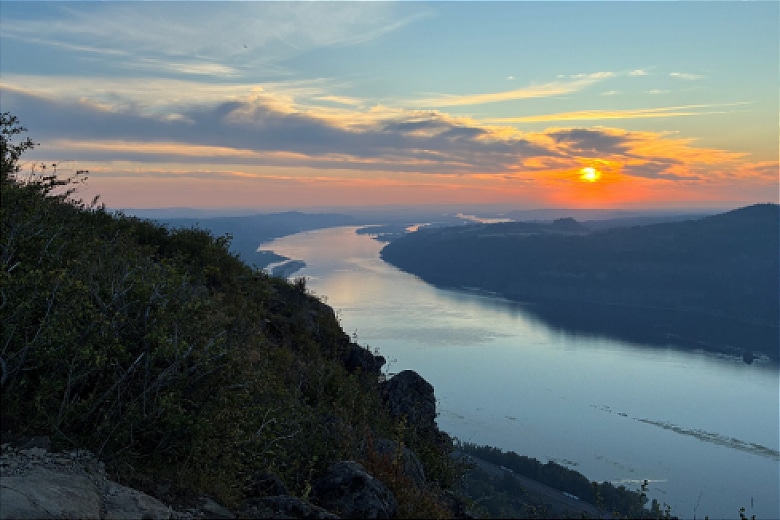
Photo of Columbia River Basin courtesy Washington Department of Ecology